In this article
Rivola Softens Resistance to 850cc Formula
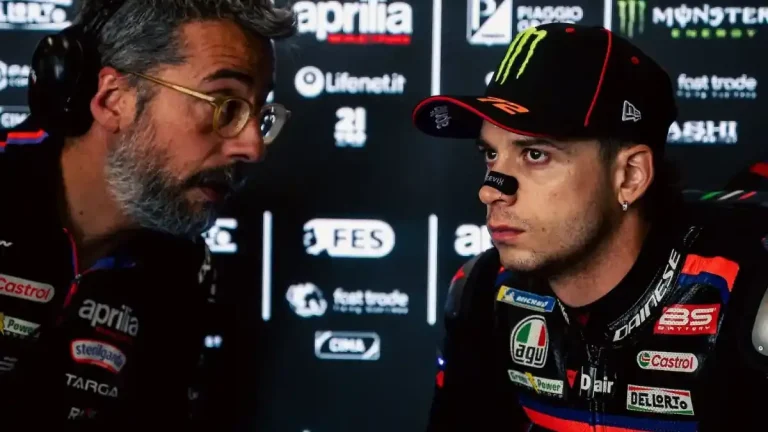
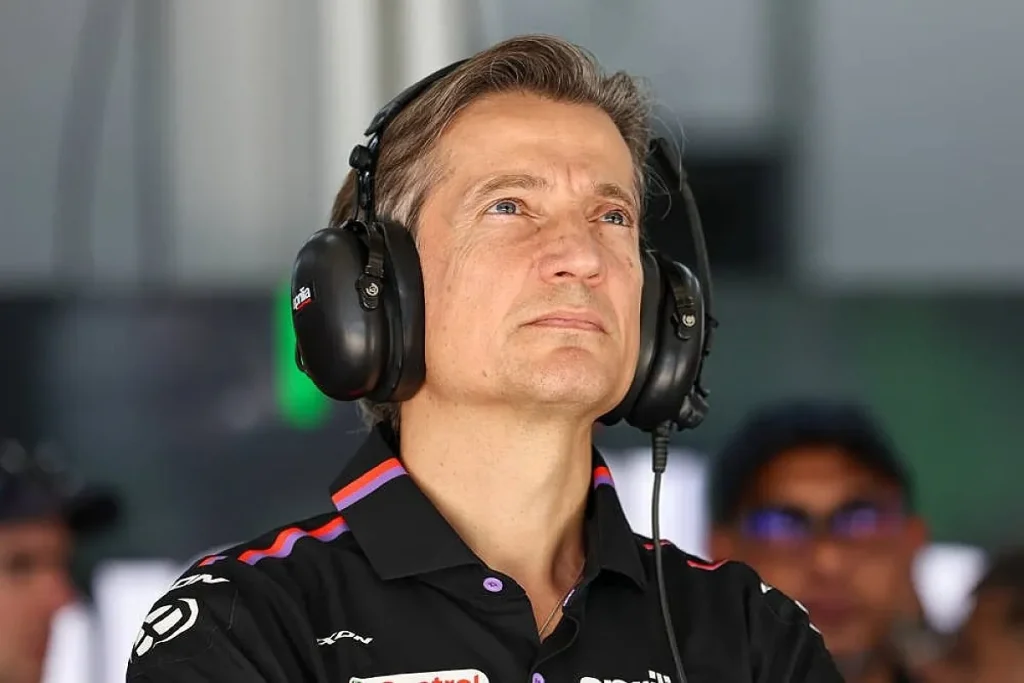
Aprilia Racing chief executive Massimo Rivola has softened his resistance toward MotoGP’s incoming 850cc engine regulations, acknowledging that early lap timing data shows the downsized machinery remains remarkably fast on track. Rivola previously stood as the lone dissenting figure resisting the sweeping 2027 technical overhaul. While he now concedes that the future of grand prix motorcycle racing could center on these radically altered power units, the Italian executive remains adamant that the premier class must preserve its status as an extraordinary technological pioneer rather than descending into a glorified Superbike contest.
Initial Concerns Over 2027 Regulatory Shift
The 2027 technical regulations represent a major structural transformation for the championship, decreasing engine capacity from 1000cc to 850cc, introducing streamlined aerodynamics, banning electronic pitch control systems, and welcoming Pirelli tyres. Rivola confirmed he was originally the solitary paddock leader pushing back against engine downsizing. His reluctance stemmed primarily from economic concerns, explaining that after committing extensive financial investments over multiple seasons to make Aprilia's RS-GP competitive against benchmark Ducati machinery, starting afresh with a brand-new engine architecture imposed an unnecessary commercial burden on manufacturers.
Related posts
Escalating Development Costs and Rule Changes
Rivola openly criticized escalating development expenses across grand prix racing, recalling earlier testing in Austria where Aprilia spent a fortune to gain two seconds before switching to Pirelli tyres. This underscores a paradox facing manufacturers: absorbing enormous expenditures for fractional lap time gains only to have regulations reset the playing field. Across the paddock, manufacturers seek cost control while developing entirely new engine architectures, aiming for simplified machinery without abandoning technological superiority and promising a fresh spectacle without fully understanding how the bikes will race. While early timing data offers reassurance, it leaves many questions unanswered.
Unexpected Speed in Prototype Testing
Despite his earlier reservations, prototype testing lap times stunned Rivola when the smaller displacement bikes registered unexpected speed. Speaking to Moto.it, he remarked that the machines remain fast on the clock, acknowledging that the regulation changes represent a major technical step forward in simplifying the motorcycle. That demonstration indicated that simplifying modern machinery does not require sacrificing outright speed, turning Rivola into a cautious supporter of the 850cc formula even as he laments the financial toll of the transition.
Defending Aerodynamics and Prototype Status
Throughout the regulatory shift, Rivola remains a fierce defender of aerodynamic innovation, an area where Aprilia has invested heavily from advanced fairings to complex swingarms, recently seen when rider Marco Bezzecchi ran an evolved aero package at Sepang. Dismissing criticism that aerodynamic devices are mere aesthetic excess, Rivola celebrated their futuristic appearance, stating his preference for bikes that look like space vessels on two wheels rather than returning to traditional, simpler designs. Comparing MotoGP’s identity to Formula 1’s position as a pinnacle of technological innovation, Rivola insisted that premier class racing must maintain an extraordinary prototype frontier that separates it completely from Superbikes.