In this article
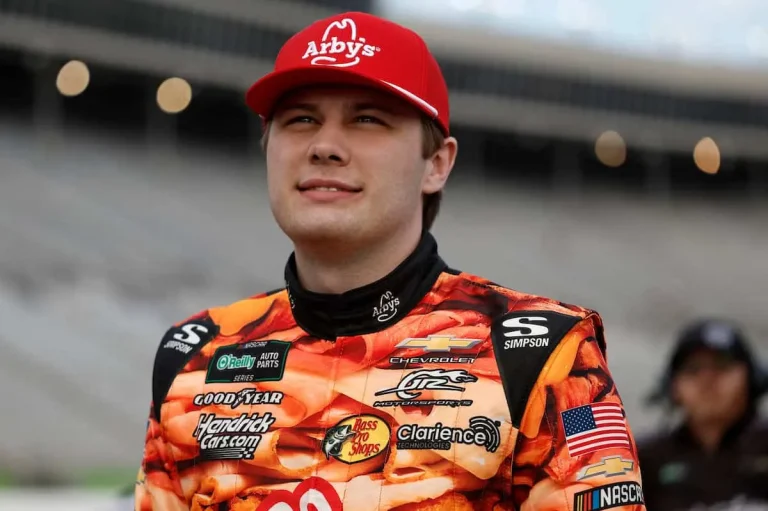
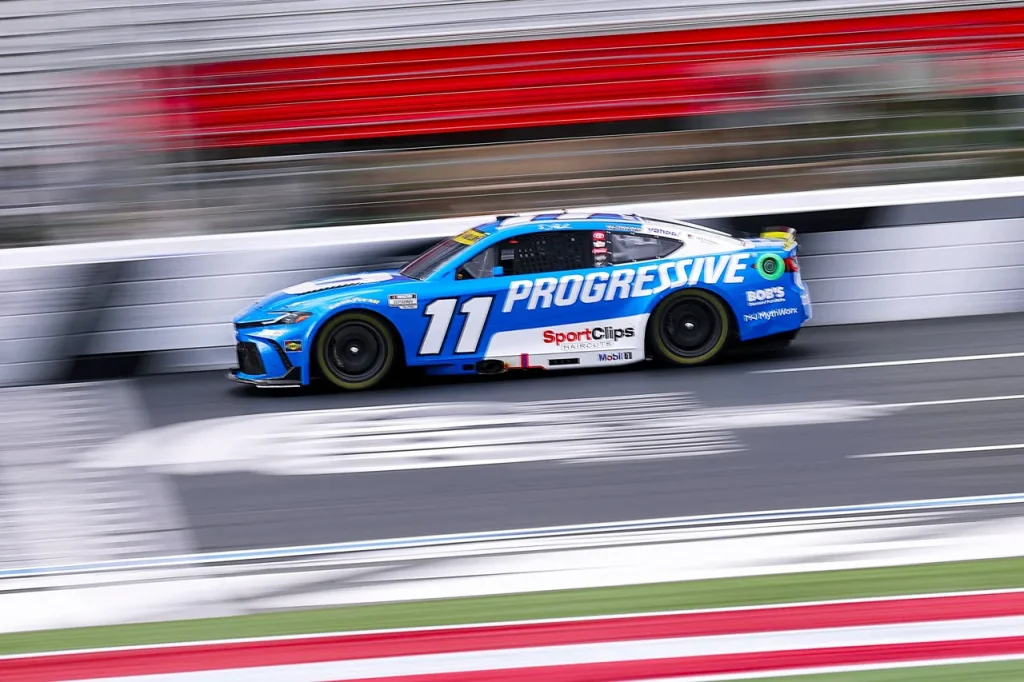
Carson Hocevar repeatedly brake-checked Austin Cindric at Martinsville Speedway, delivering four separate checks during the event. On the fourth brake-check, Cindric suffered severe damage as the front nose of his No. 2 car was completely caved in, forcing him off the racing surface and into the garage area. Following the contact, Cindric expressed his frustration over the team radio, stating that Hocevar had thrown a “temper tantrum.”
Post-Race Reactions and Hamlin's Stance
After the conclusion of the race, Hocevar did not admit any blame for the collision, instead characterizing the confrontation as “short track racing.” The report observed that admitting culpability has previously triggered immediate disciplinary penalties for competitors. However, Denny Hamlin maintained that NASCAR should issue sanctions against Hocevar regardless of any formal admission, arguing that series officials do not tolerate intentional wrecking.
Related posts
Debate Over Intentional Wrecking Precedent
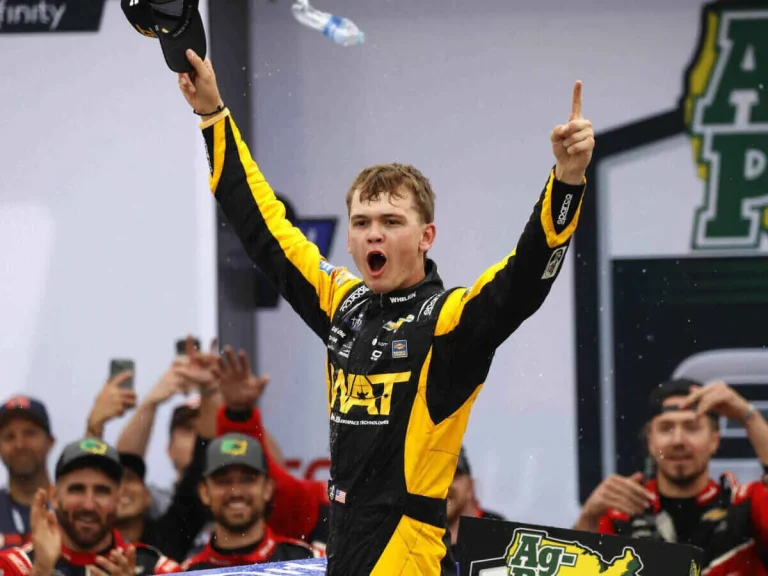
Hamlin pointed out that he had received an intentional wrecking sanction himself in the past, questioning what difference exists between wrecking an opponent from behind versus from the front, and asking why a competitor would apply brakes along straightaways. Dale Earnhardt Jr. noted that drivers who intentionally wreck rivals typically avoid making the maneuver obvious, such as right-hooking a car, explaining that brake-checking can be made to look accidental or blatantly executed in the middle of a straightaway. Earnhardt described Hocevar’s actions as unmistakable and uncovered, noting past precedent where neither Berry nor Hocevar admitted wrongdoing, though Hamlin insisted that prior precedent should not prevent punishment because Hocevar still wrecked Cindric.
Next Gen Chassis and Safety Modifications
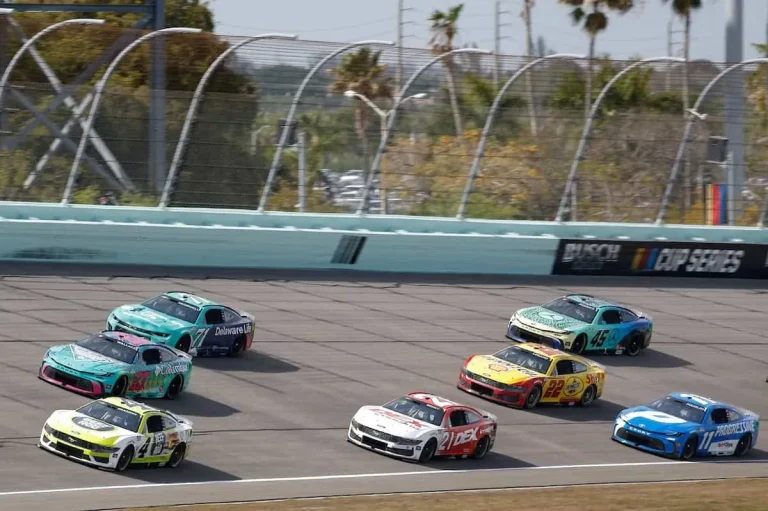
The incident prompted broader discussion regarding the construction and impact severity of Next Gen machinery. Hamlin and Earnhardt emphasized that bumpers had to be removed because heavy hits cause significant pain. Next Gen chassis were initially built solid, making repeated short-track bumper collisions problematic. In response, NASCAR introduced a softer front end at Martinsville to lessen the impact force of bump-and-run maneuvers. Hamlin recounted organizing a driver gathering to voice concerns about collision forces, disputing assurances that impact levels were identical to previous vehicles.
Team Expenses and Rear-End Dynamics
Modifications to soften the chassis also altered team economics, with Hamlin explaining that cars originally designed to run an entire season had to be cut up, driving expenses higher. Vehicles valued at $350,000 frequently require replacement components, with front-end bracing and related pieces totaling roughly $75,000. Under current structural dynamics, bumper deformation causes the rear clip to fold, requiring owners to purchase replacements. Although Hamlin affirmed that safety remains the paramount priority, he highlighted that retaining a rigid rear end allows leading competitors to weaponize the back of their vehicles against vulnerable trailing machines without sustaining damage.