In this article
GR Celica Rally1 confirmed for 2027
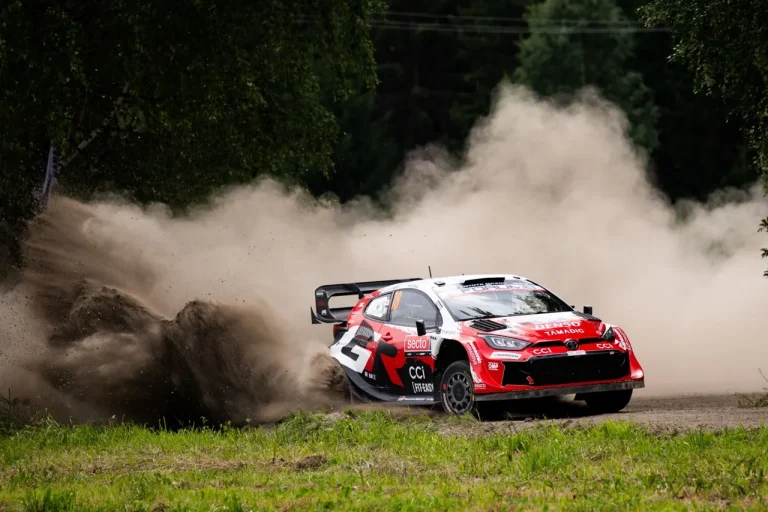
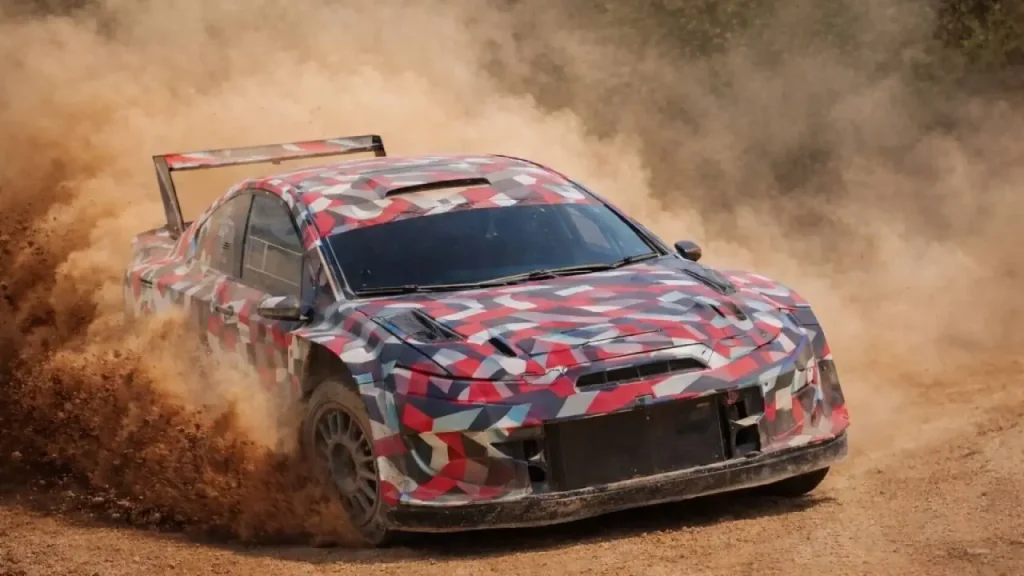
Toyota Gazoo Racing has confirmed the revival of the Celica nameplate in the World Rally Championship, announcing that the GR Celica Rally1 will enter competition starting with the 2027 season. The Japanese manufacturer will field the new model alongside its existing GR Yaris Rally1 by dividing its rally operation into two separate factory structures operating under one roof in Finland. Both cars are announced at equal power and performance, avoiding a hierarchy between a leading machine and a secondary entry in favour of two equal-level commitments under distinct banners. Homologation for the new car must be finalized before the end of 2026. Outside competition, the Celica name had retained an enduring following among enthusiasts—exemplified by custom projects such as grafting a Celica front end onto an MR-S—while its rally comeback recalls the era when the moniker represented Toyota in the world championship.
Technical details and 2027 Rally1 regulations
Technical specifications and competition liveries for the GR Celica Rally1 have not been published, with Toyota announcing that both will be revealed prior to the start of the 2027 season. No figures regarding horsepower, vehicle mass, or drivetrain configurations accompanied the initial release. Both the Celica and Yaris will compete in the premier Rally1 category under a new set of technical regulations taking effect in 2027, which the manufacturer stated are designed to make the category more accessible, although specific technical changes were not detailed in the announcement. The manufacturer also made no mention of whether the GR Celica will receive a production road car counterpart, having previously launched special road-going GR Yaris Ogier Edition and Rovanperä Edition models inspired by its champions.
Related posts
World Rally Championship
Toyota Deputy Boss Reveals How Tänak and Rovanperä Agreed 2027 WRC Returns
World Rally Championship
Sébastien Ogier Set for Minimal 2027 Toyota WRC Outings and Skips Monte-Carlo
Two factory teams based in Jyväskylä
From an organizational standpoint, TGR-WRT will run the two distinct outfits from shared premises in Jyväskylä, Finland, establishing a setup that allows Toyota to enter up to six factory cars on a single event divided between the two squads. The dual-team structure forms the most significant structural element of the announcement beyond the new car's name. While this deployment gives the manufacturer a substantial footprint on the Rally1 grid, the communication did not outline the sporting implications, specify how the six cars will be allocated round by round, or confirm whether the maximum vehicle count will be utilized at every rally. In parallel, Toyota is bolstering its Finnish operations, having laid the foundation stone for a new technical centre at Majajärvi on 2 November following a week of rally simulation testing that concluded in central Finland on 3 November.
Driver line-ups and season preparation
Toyota has distributed its six nominated crews equally across the two structures. The team designated TOYOTA RACING will enter Elfyn Evans alongside Scott Martin, Oliver Solberg with Elliott Edmondson, and Sami Pajari paired with Marko Salminen. Operating under the GAZOO Racing TOYOTA banner, the sister outfit will field Ott Tänak alongside Martin Järveoja, Takamoto Katsuta with Aaron Johnston, and Kalle Rovanperä with Jonne Halttunen. Rovanperä will contest only a partial campaign in 2027, while Sébastien Ogier could make selected appearances without a locked-in program, meaning the squad's two most successful drivers will not participate full-time. The new operational configuration will make its competitive debut when Rallye Monte-Carlo opens the 2027 WRC season from 21 to 24 January, while development drivers Vaher and Matsushita are scheduled to contest the Rallye du Dévoluy in December.
Driver perspectives on the new cycle
Driver remarks released by the manufacturer emphasized the transition into the upcoming regulatory era. Evans expressed enthusiasm about embarking on his eighth season with Toyota as the new cycle begins, while Tänak conveyed his honour at rejoining the organisation where he previously captured his world championship. Katsuta affirmed that his primary objective remains winning a world title. In contrast, Rovanperä adopted an understated perspective consistent with his part-time commitment, explaining that he carries no declared championship ambitions and aims primarily to enjoy competing, discover the new car, and see what results can be achieved alongside the team.
Related reading: Toyota Unveils 2027 WRC Program With Dual-Team Structure and Six-Crew Lineup.