In this article
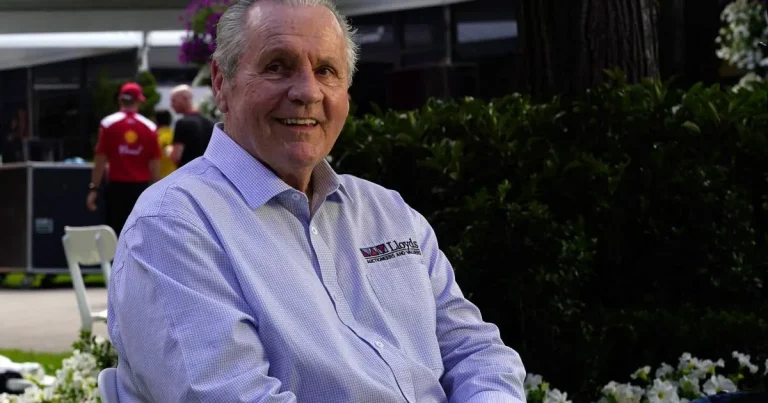
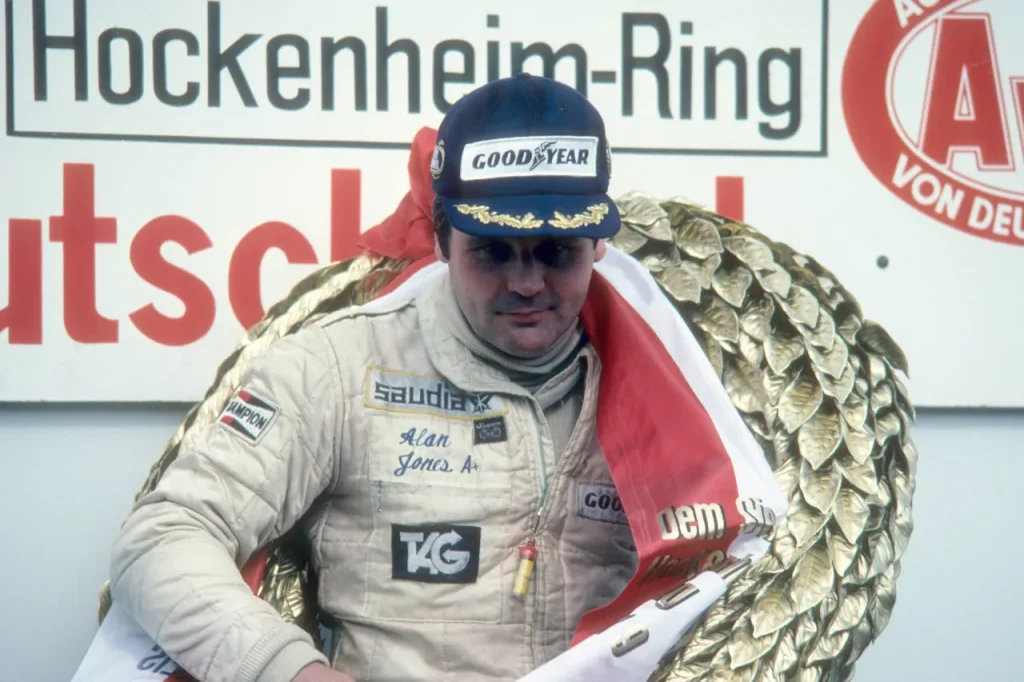
Former 1980 Formula 1 champion Alan Jones has passed away at the age of 80 on November 5, 2026, standing as one of Australian motorsport's most prominent figures and the first driver to secure a Formula 1 world championship for Williams nearly half a century ago. French publication Sport Auto paid tribute to Jones by looking back over the defining chapters of his competitive career at the pinnacle of motor racing.
Early Racing Career and Relocation to Europe
Born in Melbourne on November 2, 1946, Jones grew up in a family immersed in racing, following the footsteps of his father Stan Jones, who was an established competitor in Australia. After gaining his initial motorsport experience in his home country, Jones relocated to Europe in the late 1960s seeking to turn professional. Despite facing constrained financial backing, he climbed through Formula 3 and drew attention within the paddock circles of Formula 1.
Formula 1 Debut and Maiden Grand Prix Victory
Jones made his Formula 1 debut in 1975 with Hesketh before competing for Hill and Surtees, two teams founded by former champions Graham Hill—who won titles in 1962 with BRM and 1968 with Lotus—and John Surtees, the 1964 champion with Ferrari. His breakthrough came in 1977 behind the wheel of a Shadow, taking his maiden Grand Prix victory in Austria. That milestone win paved the way for his move to Williams, an organisation that would come to play a defining role in his career.
Related posts
Ascent with Williams and the 1979 Season
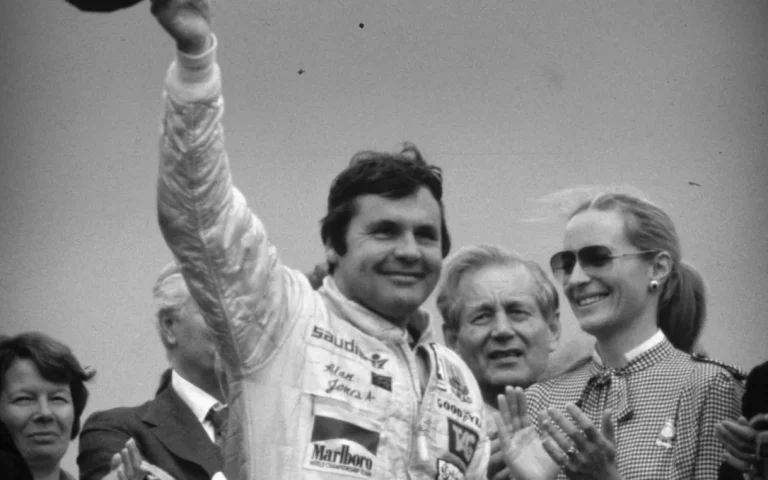
In 1978, Jones contributed to the initial rise of the young Williams team co-founded and directed by Frank Williams and Patrick Head. The following season delivered their first major breakthroughs. While Clay Regazzoni claimed the British outfit's maiden Grand Prix victory at Silverstone, Jones added four more wins across 1979 to finish third in the championship standings behind Ferrari duo Jody Scheckter and Gilles Villeneuve, whose 312 T4 set the benchmark as Scheckter clinched the drivers' title in a one-two finish at Monza.
1980 World Championship Title
Williams entered 1980 in commanding position, in contrast to Ferrari whose T5 triggered a steep drop in form. Driving the Williams FW07B, Jones controlled key phases of the campaign, securing five Grand Prix victories across Argentina, France, Great Britain, Canada, and the United States. He captured the drivers' world championship to become the second Australian driver to win the title, while Williams also secured its maiden constructors' championship.
1981 Season and First Retirement
In 1981, Jones collected two further Grand Prix wins and finished third in the championship standings, narrowly missing out alongside Williams and Carlos Reutemann at the Caesars Palace finale in Las Vegas four decades before the championship's return to the Strip. Weary of internal team tensions and rivalries, Jones decided to retire from Formula 1 competition at the close of the season.
Comebacks with Arrows and Lola-Haas
Jones later returned from retirement on several occasions, initially for a one-off outing with Arrows at Long Beach in 1983, before mounting a return in late 1985 and across the 1986 season with the Lola-Haas squad. That concluding campaign proved difficult, resulting in 12 retirements from 16 races aboard a Lola machine powered by an unreliable Cosworth engine.
Sports Car Success, Hall of Fame and Broadcasting
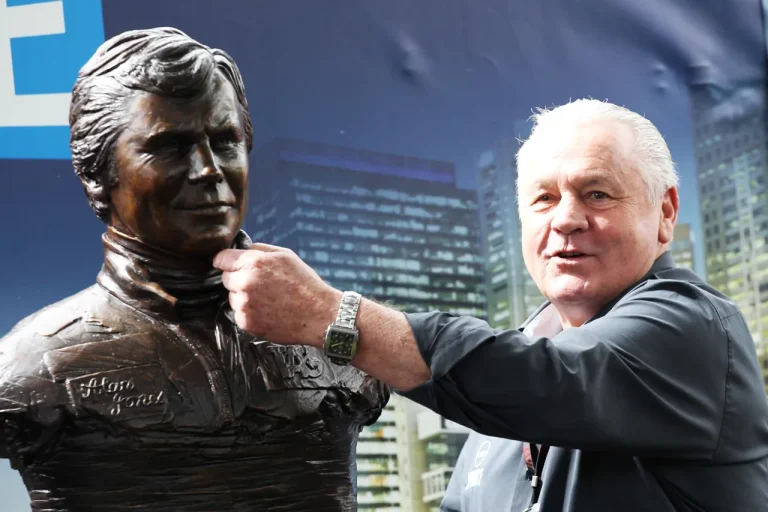
Across his Formula 1 career, Jones amassed 12 Grand Prix victories and 24 podium finishes while also excelling in other racing categories. He won the Can-Am championship in 1978 and the Australian Sports Sedan and GT Championship in 1982. In endurance racing, he took victory at the 1993 Bathurst 12 Hour driving a Mazda RX-7 and made multiple starts in the Bathurst 1000. Following his racing career, Jones was inducted into the Sport Australia Hall of Fame in 1985 and transitioned into television broadcasting as an outspoken and experienced pundit.