In this article
Physical Demands of Premier Class Racing
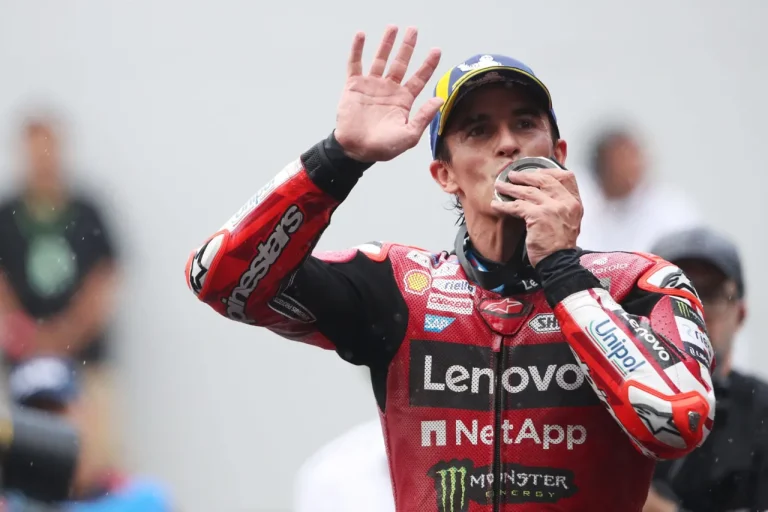
MotoGP prototypes demand extreme physical fitness from riders who race machines capable of exceeding 360 km/h (223 mph). Specialised workouts are essential to be able to deal with the physical demands over long race durations, which can regularly exceed 120 km in just over 40 minutes of action. By combining multiple training routines, riders can maintain high levels of aerobic fitness, functional strength, stamina, and finely tuned reflexes.
Riders must be able to perform while continuously traveling to different racing venues under a demanding schedule from Friday morning practice to Sunday afternoon races at 22 Grands Prix per year. During particularly intense periods, such as back-to-back race weekends, athletes have less time for training and recovery, so they may be merely topping up their fitness while away from the track.
Targeted Strength and Power-to-Weight Ratio
Riders build functional strength rather than bulky muscle mass. A rider carrying extra weight may experience slower lap times and reduced maneuverability, so maintaining lean muscle ensures an optimal power-to-weight ratio. Muscular development prioritises grip, forearm, shoulder, neck, core, and leg strength to control the prototype during heavy deceleration and aggressive direction changes.
Typical strength training exercises may include targeted movements across different muscle groups. Pull-ups, push-ups, dumbbell rows, and resistance bands strengthen the back and shoulders for steering control. Planks, leg raises, balance boards, and cable rotations stabilise the core during cornering. Squats, lunges, and calf raises build lower body resilience, which improves bike control and helps prevent muscle strains or tears.
Cardiovascular Endurance and Weight Management
Cardiovascular training combines high-intensity interval workouts with sustained aerobic conditioning. Riders utilise high-intensity interval training, skipping rope, circuit training, rowing, swimming, and running to enhance oxygen delivery and stamina. These demanding sessions raise cardiovascular capacity, enabling riders to sustain focus and manage intense physical strain during races.
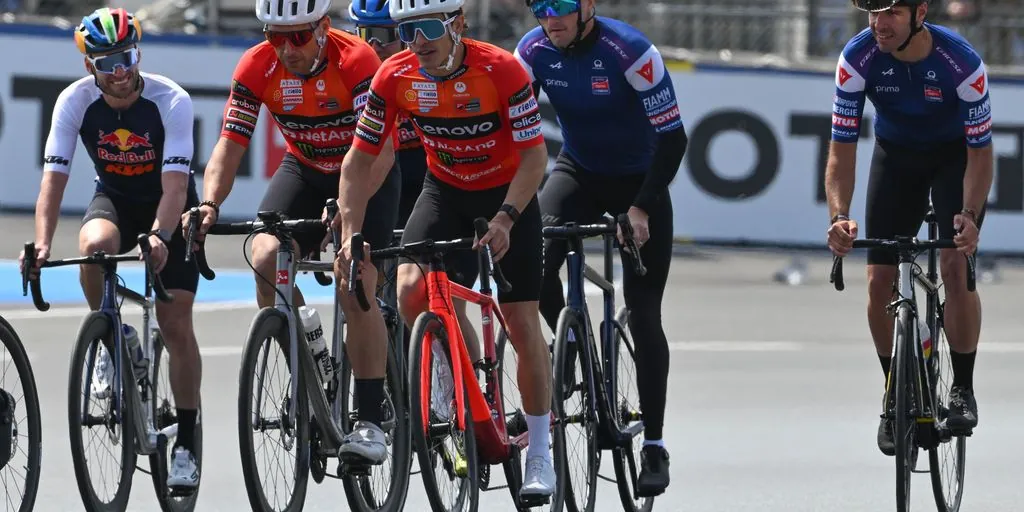
Athletes also perform steady low-intensity cardio to develop endurance without overtaxing their bodies. Cycling, long runs, and track walks with crew chiefs on Thursdays prior to race weekends promote aerobic health. This steady aerobic work assists active recovery and weight control, ensuring riders remain light enough to maintain optimal straight-line speed and cornering responsiveness.
Related posts
Reflex Drills and Mental Preparation
Reflex exercises increase a rider's ability to react with lightning quickness and maintain precision under high-pressure conditions when attacked by rivals. Riders utilise light boards and hand-eye coordination drills, such as juggling or catching reaction balls, to sharpen motor responses. Many also employ cognitive tracking exercises, simulators, and video games to refine track familiarity, split-second overtaking choices, and braking judgment under pressure.
Mental stamina is equally vital during unpredictable weather conditions, intense competition, and injury recovery. Riders often collaborate with sports psychologists to strengthen mental readiness. These routines encompass visualization of ideal laps and overtaking maneuvers, breathing exercises for stress management, distraction-blocking drills, and positive self-talk to maintain focus and emotional composure throughout the season.
Cross-Discipline Motorcycle Training
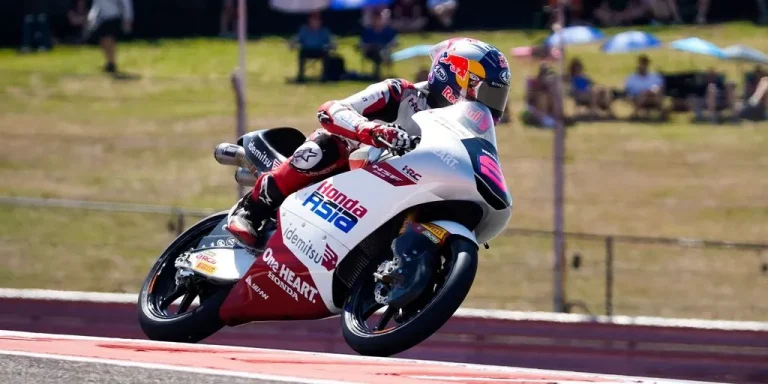
Grand Prix rules restrict permanent riders from testing their prototype motorcycles outside official tests and race weekends, unless permitted by concessions. To maintain sharp bike-handling instincts, riders spend substantial time on motocross, flat track, Supermoto, and road bikes. These machines provide intense seat time, reinforcing riding reflexes and physical endurance between Grand Prix events.
Motocross is particularly popular for sharpening throttle control and balance over loose dirt and unpredictable terrain. Constantly adjusting body position and throttle control helps riders maintain balance, which can really help with on-track performance. Motocross can be a risky sport, with riders such as Valentino Rossi, Marc Marquez, and Fabio Quartararo having suffered training injuries, yet it remains very popular as a high risk-reward activity.
Dirt Tracks and Individual Rider Routines
Training approaches vary according to rider physiology and personal preferences. At the VR46 MotoRanch in Tavullia, Valentino Rossi established an undulating dirt circuit where riders such as Francesco Bagnaia and Marco Bezzecchi refine sliding techniques on flat track machinery. Group dirt track sessions allow riders to sharpen handling precision in competitive conditions.
Other competitors prioritise endurance disciplines away from racing circuits. Some observers believe former regulars Cal Crutchlow and Aleix Espargaro could even have competed professionally in cycling, with Crutchlow often able to train alongside Mark Cavendish, while Espargaro can train with friends from the pro peloton. Brothers Marc and Alex Marquez frequently combine joint running, gym sessions, and motocross drills, whereas Fabio Quartararo relies on intensive skipping, long-distance running, and motocross to maintain peak race condition.
Recovery Protocols and Track Exertion
Riders may spend 3.5 to 4 hours on track per Grand Prix weekend, totalling 75 to 85 hours per season excluding tests, making recovery vital for staying in shape and preventing potential future injuries. Post-session protocols include assisted stretching, yoga, Pilates, sports massage, and targeted physiotherapy. Gentle active recovery through cycling, walking, or table tennis helps flush fatigue alongside essential sleep and rest periods.
Nutrition, Hydration, and Year-Round Regimens
Nutritional plans balance complex carbohydrates such as rice, pasta, and oats with lean proteins including fish, eggs, and chicken breast for muscle repair. Riders drink at least three litres of fluid daily to offset perspiration, supplementing with energy snacks on race weekends. Leather suits also incorporate aerodynamic humps housing water bladders and helmet drinking tubes for mid-session hydration.
Conditioning remains an ongoing commitment rather than a seasonal effort. Although riders might take a short break for complete rest just after the season finishes, they soon resume workouts, and pre-season training can be just as intense, if not harder than regular season training. Pre-season testing can often be gruelling, with many hours spent on the bike in hot conditions helping riders prepare physically, mentally, and from a technical perspective.