In this article
Antonelli's Title and the Chasing Pack
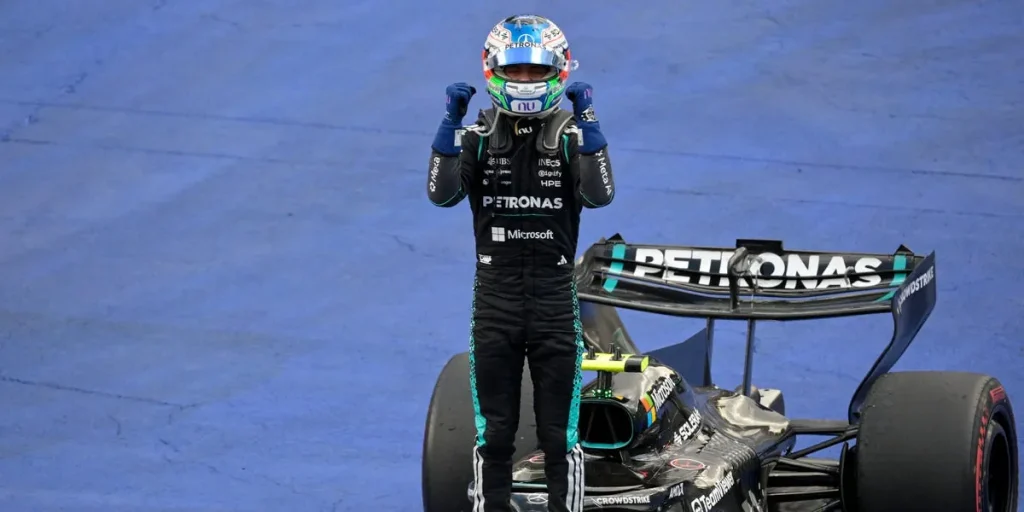
Kimi Antonelli secured the championship after establishing himself as the standout performer of the season. Behind the new champion, three previous titleholders and several illustrious contenders remained separated by only a narrow points margin across an intense and volatile campaign.
While Antonelli delivered consistent high-level performances, his path was eased by recurring missteps from his principal opposition. Rival teams and drivers repeatedly faltered at crucial phases of the calendar, conceding valuable points through mechanical breakdowns, operational execution errors, and compromised car balance across multiple weekends.
Russell's Early Promise and Style Clash
George Russell entered the season as the pre-championship favorite and converted pole position into victory at the opening round. However, that triumph proved an isolated high point. Across the remainder of the campaign, Russell was outpaced convincingly, leaving him with only two additional race wins and an unfulfilled title challenge.
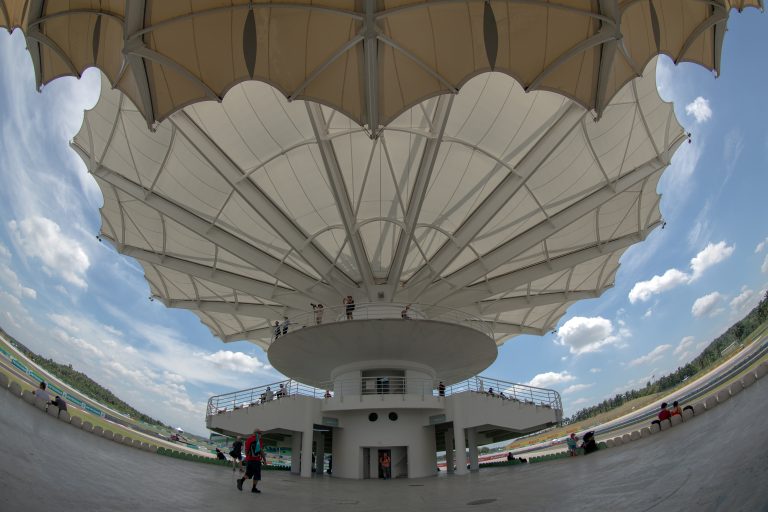
Severe mechanical misfortune struck Russell repeatedly throughout the year. He retired from the lead in Canada and suffered an engine failure in Malaysia that also disrupted his subsequent Singapore event. Other setbacks included unexplained speed deficits in Britain and Belgium, an opening-lap collision at Spa, and a mismanaged Monaco time penalty.
Technical mismatches compounded Russell's difficulties under the revised regulations. Russell explained that his natural technique relies on aggressive throttle inputs and early power delivery from the corner apex, a concept explored in driving styles and cornering lines. By contrast, Antonelli attacked corner entries harder and was often on the power later, which was not necessarily a bad thing with the new power units.
Elevated tyre pressures mandated by Pirelli, particularly across the rear axle, punished Russell's exit-heavy approach when paired with hybrid power delivery constraints. A difficult qualifying display and penalty in Austin underlined these struggles, increasing pressure on Russell to perform across the remaining 2026 rounds before resetting during the winter.
Related posts
Championship Analysis
F1 Points Systems in 2003 and 2010: A Results Recount
Ferrari's Straight-Line Weapon and Operational Ceiling
Ferrari initially mounted the sharpest challenge to Mercedes, utilizing a compact turbocharger configuration to produce explosive acceleration from standing starts. While these rapid getaways triggered frequent position exchanges, Mercedes maintained the competitive edge as governing body rule changes and rival development gains quickly neutralized Ferrari's early acceleration advantage.
Despite fielding Formula 1's highest-scoring polesitter and a renowned qualifying specialist, Ferrari required nineteen rounds to secure a single pole position. Persistent power unit deficits and recurring difficulties bringing tyres into their optimal operating window during Q3 hampered qualifying sessions, even though robust chassis balance and sound pit execution facilitated race victories in Spain and Britain.
Charles Leclerc led Ferrari's initial scoring charge before severe braking instability derailed multiple race weekends and forced early retirements. Although technicians eventually rectified the braking malfunction, an opening-lap crash during a dismal weekend at Monza confirmed a frustrating mid-season plateau for the Monegasque driver.
Lewis Hamilton maintained mathematical contention across the opening two-thirds of the season through relentless consistency, sitting fifty points behind Antonelli. However, internal frustration over team backing, the Monza setback, and a terminal brake failure in Madrid extinguished his championship hopes, leaving Ferrari fighting to secure second place once again.
McLaren's Launch Compromise and Development Drop
McLaren began the year on the back foot after prioritizing its successful 2025 championship campaign. The launch-specification MCL40 suffered from excessive aerodynamic drag, sluggish low-speed cornering, and disadvantageous gear ratios. Furthermore, customer status hindered the team's early understanding and optimization of 2026 power unit energy systems.
Lando Norris endured multiple reliability failures across the opening six rounds before finding a competitive setup window to claim consecutive victories in Hungary and the Netherlands. A potential third consecutive victory at the Madring evaporated when an untimely Virtual Safety Car intervention struck at a circuit where overtaking was impossible.
Subsequent updates failed to deliver expected gains, transforming the car into an unpredictable machine on track. While Norris stumbled through setup inconsistencies, Oscar Piastri struggled to extract performance from the difficult chassis throughout a barren campaign, sliding the reigning constructors' champions down to fourth in the competitive hierarchy.
Red Bull's Recovery After Early Weight and Engine Woes
Extended development on its 2025 contender left Red Bull with an overweight RB22 chassis that lacked balance and steering fidelity at the start of 2026. Max Verstappen described the initial machine as frightening to drive, which frequently dropped him into competitive midfield battles during the opening phase of the calendar.
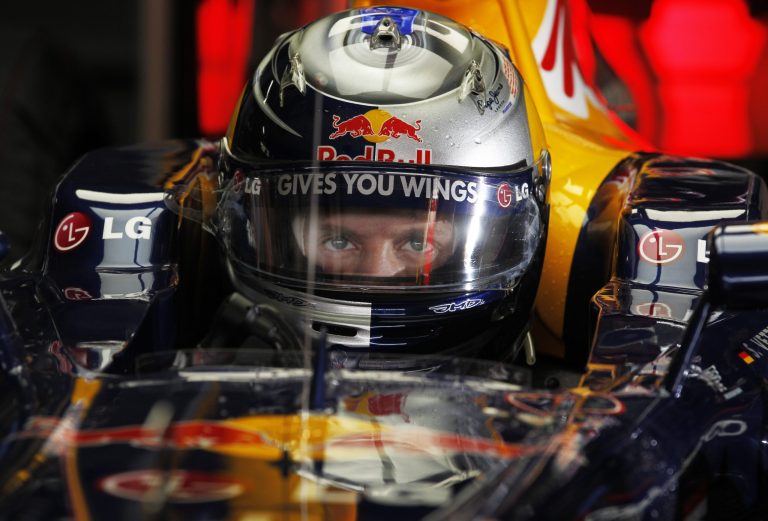
Fresh powertrain collaboration between Red Bull Powertrains and Ford introduced severe early teething troubles. Verstappen suffered engine retirements in China and Monaco, sluggish race starts, and a rear wing mechanism failure at Silverstone, alongside costly driving incidents in Miami and wet conditions at Zandvoort.
A substantial aerodynamic overhaul introduced at Miami transformed the car's drivability and overall competitiveness. Supported by deeper integration of their engine package, Verstappen surged following the Spanish round to become the second-highest points scorer, registering consistent podium finishes that positioned him as a realistic contender for runner-up.