In this article
Geopolitical Disruption and Calendar Uncertainty
International conflict and geopolitical turbulence have periodically disrupted the Formula 1 world championship calendar. In early 2026, military strikes involving the United States, Israel, and Iran triggered retaliatory actions across the Middle East, generating widespread global travel chaos. The instability impacted drivers, media members, and team personnel journeying toward the season-opening Australian Grand Prix scheduled for March 6–8, as vital connecting hubs in Qatar and the United Arab Emirates encountered flight complications.
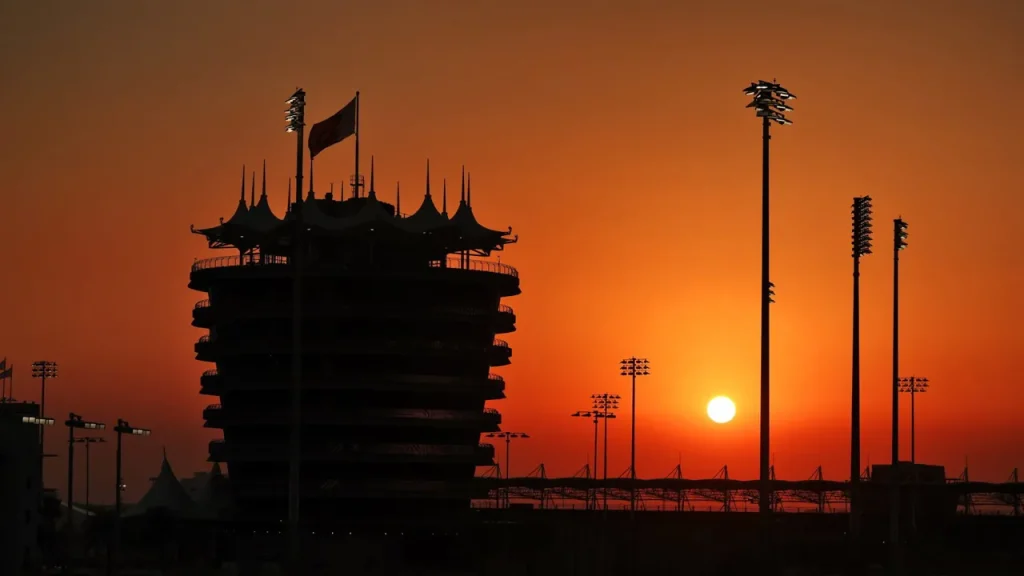
Australian Grand Prix organisers maintained high confidence that the Melbourne event would proceed smoothly because the vast majority of air freight had already arrived before staff flight schedules required adjustment. More substantial uncertainty emerged regarding the subsequent double-header in Bahrain and Saudi Arabia set for April. In response to regional risks, the FIA declared that participant safety and wellbeing would determine decisions on running those races, echoing previous crisis management decisions in championship history.
The 2011 Bahrain Grand Prix Cancellation
Civil unrest linked to the Arab Spring swept across Bahrain in early 2011, inaugurating more than two years of domestic demonstrations and rioting. Anti-government protests threatened the planned March season opener at the Bahrain Grand Prix. Following the deaths of more than thirty individuals during pro-democracy rallies, authorities called off the grand prix in February. Officials later attempted to reinstate and reschedule the fixture for October once the national state of emergency was lifted.
Formula 1 teams firmly resisted former supremo Bernie Ecclestone’s October rescheduling proposal on logistical grounds after expressing their concerns, prompting the championship to cut the 2011 Bahrain round altogether. Political friction lingered during subsequent visits. Ahead of the 2012 event, police shot and killed a protester, sparking calls for race cancellation that officials resisted. Similar protest threats surrounded the 2013 round, yet championship organizers staged both the 2012 and 2013 races as planned.
Related posts
Pandemic Shutdown at the 2020 Australian Grand Prix
The emergence of coronavirus created unprecedented turmoil at the scheduled 2020 season opener in Australia. Formula 1 originally intended to proceed with track action despite multiple McLaren team members testing positive for the virus and entering mandatory fourteen-day hotel quarantines. Lewis Hamilton publicly voiced shock at the sport's decision to continue, famously remarking that cash was king when asked if he knew why the grand prix weekend had initially received authorization to go ahead.
Escalating health hazards and the World Health Organisation formally declaring a pandemic compelled Formula 1 to cancel the Australian race on Friday amid mounting pressure from teams and drivers. Ferrari became the initial team to inform championship leadership that it was not prepared to race, while Sebastian Vettel immediately boarded a flight home. The emerging virus caused widespread havoc throughout the 2020 season, forcing multiple event postponements and cancellations amid initial uncertainty regarding viral spread.
Condensed Rescheduling and Ongoing Disruption
After several months of global shutdown, Formula 1 devised a contingency plan commencing with an Austrian double-header in July 2020. Organizers compressed seventeen events into a five-month window featuring three triple-headers. Despite being hugely impacted, Formula 1 was able to complete the season in which Hamilton became a seven-time world champion with Mercedes.
Disruption persisted into 2021 through further race cancellations and paddock outbreaks that sidelined drivers, before an element of normality returned by the end of that year with grandstand spectators.
Security Crisis at the 2022 Saudi Arabian Grand Prix
Severe security concerns confronted Formula 1 during the 2022 Saudi Arabian Grand Prix when a missile struck an Aramco oil depot nine miles from the Jeddah circuit shortly before second practice began. Following the session, all drivers met for more than four hours with team bosses and series chiefs to discuss the situation.
Talks regarding potentially boycotting the grand prix extended until 02:30 local time, with Hamilton, Carlos Sainz, and Pierre Gasly leading concerns before competitors agreed to race.
Competitors agreed to proceed after receiving assurances that the Houthi rebels, who claimed responsibility for the strike, specifically targeted infrastructure rather than civilians or sporting events. Formula 1 chief executive and president Stefano Domenicali affirmed that local authorities provided total assurance regarding country safety and positioned defensive systems around the area, expressing confidence in proceeding. The remaining competitive track action in Jeddah took place without further incident across the weekend.
Calendar Replacement Strategies and Grade 1 Circuits
When ongoing conflict or sudden safety crises force the abandonment of scheduled rounds, series officials typically search for replacement races. Logistical requirements dictate that rescheduled double-headers most likely migrate toward European venues possessing mandatory FIA Grade 1 homologation. Imola stands as a primary candidate ready to host on short notice, having returned as an emergency substitute during the pandemic before departing the schedule for 2026.
Formula 1 views the former San Marino Grand Prix venue as first reserve for schedule vacancies.
Several alternate European circuits could offer viable contingency hosting options on short notice. Mugello, which hosted the 2020 Tuscan Grand Prix, presents another Italian track capable of stepping in. Additional possibilities could include Portimao, which returns on a rotational basis in 2027, alongside Turkey as it seeks a championship comeback. Although German venues at Hockenheim and the Nürburgring represent unlikely choices, series management does not completely discount them as potential last-minute solutions during calendar emergencies.
Related technical guide: Why Lando Norris Became Formula 1’s People’s Champion.