In this article
The Role of Rivalries and Alliances in Formula 1
Formula 1 involves cars, overtakes, and racing, but driver drama and background context help observers appreciate the track action. Throughout Formula 1 history, notable driver pairings, clashes, and coincidences have defined race weekends. These competitive rivalries and cooperative alliances produce dramatic tension, shaping memorable racing across different eras.
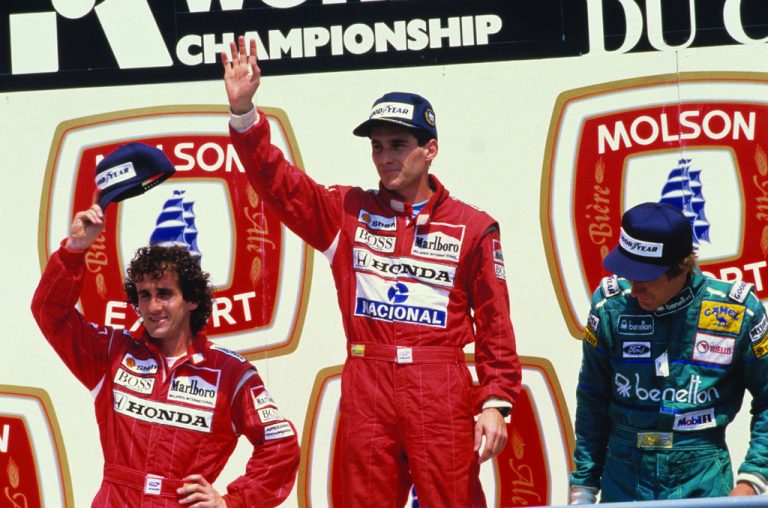
Ayrton Senna and Alain Prost: The McLaren Civil War
Between 1988 and 1993, Ayrton Senna and Alain Prost developed one of Formula 1's fiercest rivalries, capturing three drivers' championships apiece for six titles collectively. The antagonism peaked while sharing the McLaren garage from 1988 to 1989. Senna brought an emotional, aggressive driving style that clashed directly with the smooth, calculated strategy that characterised Prost's methodology.
Their intense friction provoked legendary collisions at the Japanese Grand Prix in both 1989 and 1990. Tension lingered after Prost moved to Ferrari and later Williams. For 1993, Prost secured a contractual condition blocking Senna from joining him at Williams, prompting the Brazilian driver to call Prost a coward.
Valtteri Bottas and Lewis Hamilton: Stability at Mercedes
Valtteri Bottas joined Mercedes in 2017 while the organization was recovering from an intense, divisive intra-team dispute. Bottas introduced a calm, team-first mindset that helped restore harmony. Across his tenure through 2021, Bottas supported Lewis Hamilton by defending track position and swapping order whenever team management requested.
Their collaborative partnership proved remarkably effective, helping secure five consecutive constructors' championships alongside five drivers' titles. Both competitors publicly lauded each other as ideal teammates. By prioritizing team objectives over personal glory, Bottas established one of the most respectful and successful teammate pairings in modern Grand Prix history.
Niki Lauda and James Hunt: Contrasting Personalities
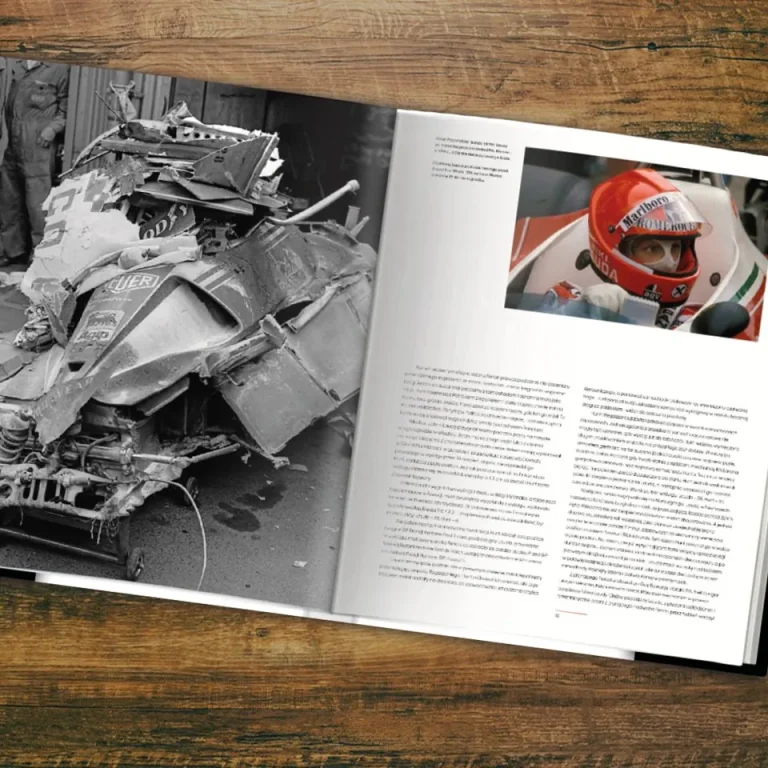
The duel between Niki Lauda and James Hunt stretched from 1973 to 1979, reaching its peak in 1976. Hunt brought a daring, charismatic demeanour to the grid, whereas Lauda operated with meticulous, data-driven calculation. Lauda was dominating the 1976 championship until suffering a near-fatal accident at the Nürburgring, allowing Hunt to advance rapidly in the standings.
When Lauda returned, both competitors pushed each other to the limit pursuing the championship. Hunt ultimately won the 1976 title by a single point. Despite their fierce track combat, personal friendship and mutual respect endured from their Formula 3 days, a relationship later dramatised in the motion picture Rush starring Chris Hemsworth and Daniel Brühl.
Related posts
Lewis Hamilton and Nico Rosberg: Dissolution of a Friendship
Lewis Hamilton and Nico Rosberg competed together during childhood karting, sharing hotel rooms, visiting Monaco, and traveling between circuits as close companions. When they joined forces as Mercedes teammates in 2013, few anticipated how swiftly their friendship would disintegrate. During their partnership through 2016, Hamilton won two championships while Rosberg won one.
Although Hamilton arrived as the established lead driver, Rosberg refused to concede without a fight, disobeying team instructions and battling for titles. Their camaraderie dissolved from post-podium embraces to frosty alienation. Collisions at Spa in 2014 and Spain in 2016 generated immense internal anger. Rosberg finally clinched his first world championship, announcing his retirement five days later.
Michael Schumacher and Mika Häkkinen: Respectful Rivals
Between 1998 and 2001, Michael Schumacher and Mika Häkkinen waged a championship rivalry grounded in uncompromising racing and deep mutual respect. Having competed against each other since Formula 3, their confrontation gained prominence when Schumacher led Ferrari against Häkkinen at McLaren. Häkkinen captured back-to-back world championships in 1998 and 1999.
Schumacher returned stronger in 2000, launching Ferrari's golden era with consecutive championship victories in 2000, 2001, and 2002. Despite the intense competition, both drivers spoke highly of each other. Häkkinen was Schumacher's favourite opponent, with Schumacher admiring the Finnish driver's disciplined approach to racing both on and off the circuit.
Sergio Pérez and Max Verstappen: Red Bull's Defensive Pillar
From 2021 to 2024, Sergio Pérez partnered Max Verstappen at Red Bull, operating as an essential contributor to Verstappen's dominance during 2022 and 2023. Functioning similarly to Bottas at Mercedes, Pérez protected Verstappen's lead from second position, scored valuable points, and obeyed team orders to secure Red Bull one-two finishes.
Pérez earned the nickname Mexican Minister of Defence for his stubborn defensive driving in support of the team. His tactical contributions proved vital to Red Bull's success, helping the squad claim two constructors' championships while Verstappen secured four drivers' titles during their four-year partnership.
Lewis Hamilton and Max Verstappen: The 2021 Showdown
The 2021 championship produced an intense duel between veteran Lewis Hamilton, seeking an eighth world title, and aggressive challenger Max Verstappen, chasing his first. Elevated competitiveness, tension, and team hostility persisted all season on and off the circuit. The contest culminated at the Abu Dhabi Grand Prix, where whichever driver won would take the title.
Hamilton dominated the finale until a late safety car occurred. Race director Michael Masi made the controversial choice to restart the race while allowing only select lapped cars to unlap, contravening written rules under safety car restart procedures. Fitted with fresher tyres, Verstappen overtook Hamilton to take the title, sparking enduring debate among supporters.
Sources: The Greatest Alliances and Rivalries in F1 History.