In this article
Paddock Tension Escalates at Sepang
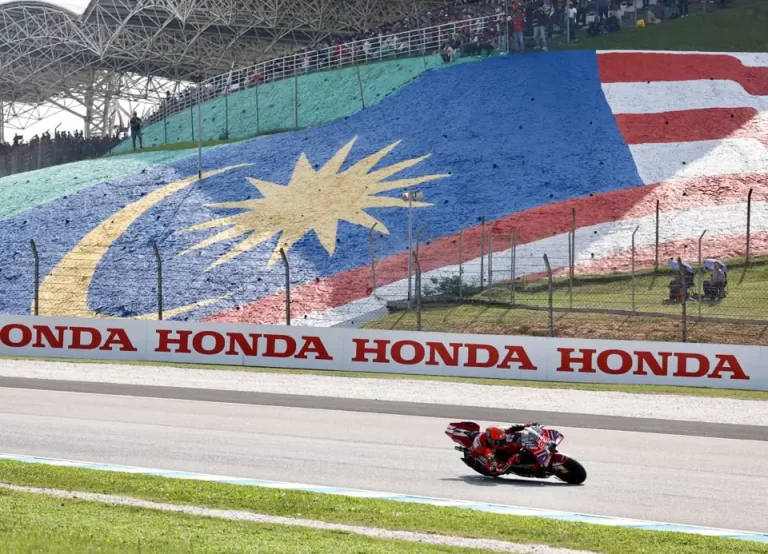
Tensions escalated inside the Sepang International Circuit paddock following the Malaysian Grand Prix, where team managers, senior team executives, and MotoGP Sports Entertainment Group promoters convened for high-stakes discussions regarding travel to the Qatar Grand Prix in Doha. During a closed-door meeting held on Sunday at 11:00 AM, team managers and riders confronted championship leadership over regional geopolitical instability in the Middle East stemming from conflict involving the United States, Israel, and Iran. The riders established a deadline of 4:00 PM for the promoter to fully assume all responsibility regarding the Middle East geopolitical situation arising from conflict involving the United States, Israel, and Iran before personnel departed Malaysia.
Ezpeleta Rejects Cancellation Calls
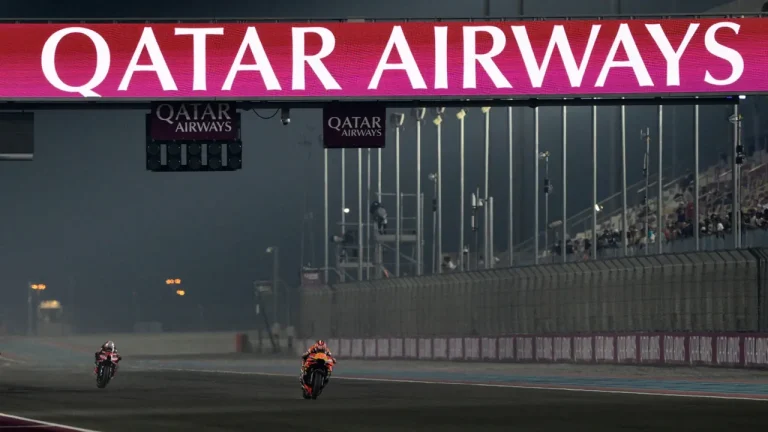
Hours before the deadline expired, MGPSEG chief executive officer Carmelo Ezpeleta distributed an open letter to every team throughout the paddock, taking a firm stance against abandoning the Lusail round. Ezpeleta maintained that no substantial reason existed to cancel the Qatar Grand Prix under security assurances provided by local government authorities. The promoter highlighted that the financial incentives and insurance subsidies arranged for the Qatar event significantly surpassed those provided at other rounds on the calendar. Furthermore, Ezpeleta reminded participants of their binding contractual obligations, cautioning sternly that withdrawing from the event risked inflicting severe financial and reputational damage on the world championship, the FIM, broadcast television networks, and commercial sponsors.
Related posts
Yamaha Enforces Travel Restrictions
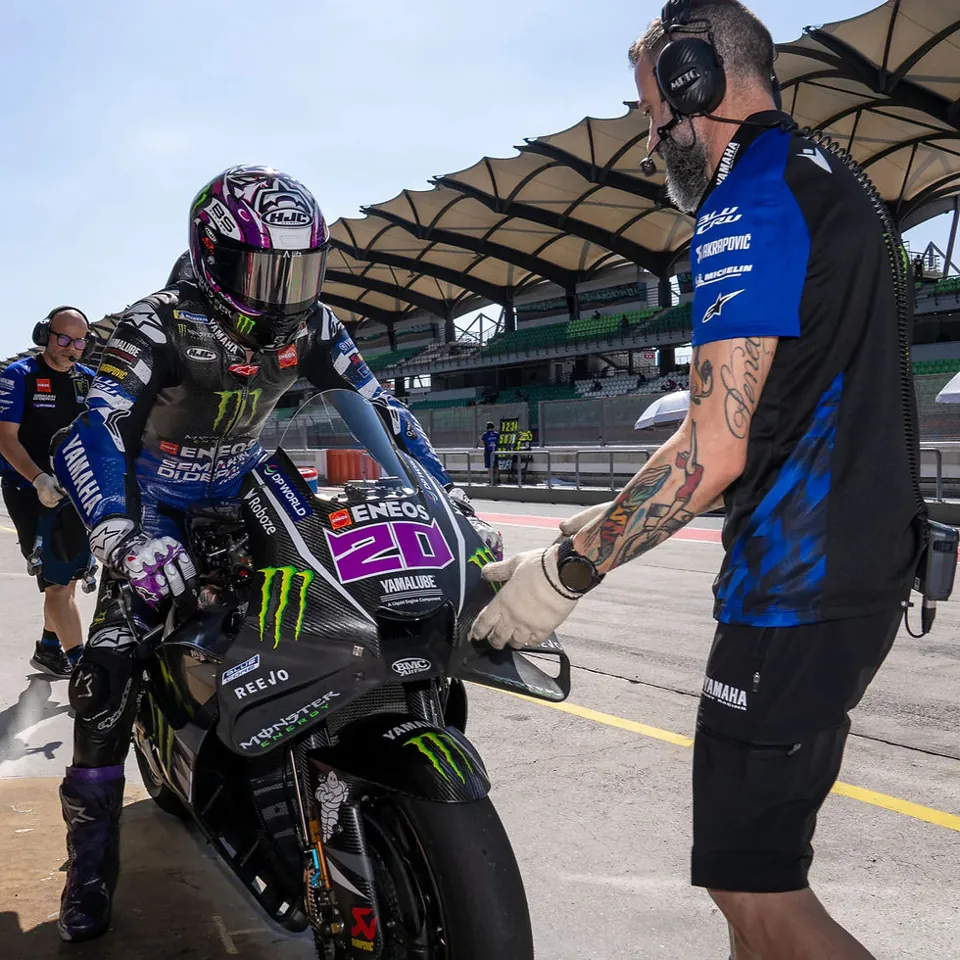
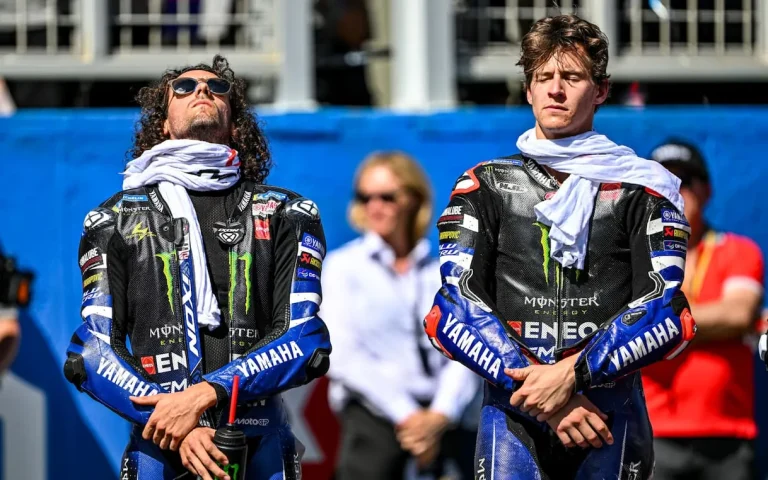
The promoter's warnings were answered at 6:00 PM when Yamaha issued a statement barring all company staff from making the journey to Doha, following earlier questions surrounding whether MotoGP would commit to the Qatar Grand Prix amid regional safety concerns. The Iwata-based manufacturer explained that internal corporate policy prohibits sending personnel into conflict zones without adequate security assurances, directly defying the promoter's position and prompting frustration from championship officials. While the majority of riders chose to withhold public commentary during the tense negotiations, Jack Miller emerged as an outspoken exception, delivering sharp public criticism against forcing paddock members to compete in a vulnerable region.
Threat of Sanctions for Withdrawing
Yamaha's refusal to send employees to Doha has prompted significant scrutiny regarding the disciplinary measures that the manufacturer could face from governing bodies. Alongside potential manufacturer penalties, paddock competitors who decline to race or travel without recognized medical exemptions confront warnings of severe sporting sanctions and financial fines. The prospect of penalties has created substantial friction between organizers seeking to enforce attendance agreements and teams prioritizing duty-of-care protocols.
Logistical and Staffing Adjustments
The geopolitical standoff has disrupted travel logistics and trackside operations for the teams that remain committed to participating in Qatar. To minimise risk, travelling personnel altered flight plans to arrive in Doha as late as possible, while the schedule for the pre-event press conference was delayed by four hours to 8:00 PM local time to accommodate rider arrivals. Japanese marque Honda redirected its engineering personnel on an indirect flight path through Japan rather than booking direct passage from Malaysia. Across several garages, internal employee objections led certain crew members to refuse travel entirely, forcing teams to rearrange staffing rotations and assign remaining paddock personnel extra operational duties.
Related reading: VR46 Makes Qatar GP Attendance Optional as Staff Stay Home.