In this article
Institutional Trust Amid Regional Uncertainty
The concluding rounds of the 2026 Formula 1 season remain under active scrutiny as ongoing regional conflict in the Middle East prompts security evaluations alongside contingency planning for the Qatar and Abu Dhabi Grands Prix. Speaking in Mexico regarding regional tensions and their potential championship fallout, Red Bull Racing team boss Laurent Mekies took an institutional position, stating that he places full confidence in the FIA and Formula One Management to judge conditions. Acknowledging that such explicit trust might surprise outside observers, Mekies highlighted that governing bodies hold far more comprehensive information than individual outfits can access, leaving the federation and commercial rights holder responsible for assembling evidence, evaluating risks, and communicating directives.
Contingency Scenarios and Paddock Safety
Williams Racing team principal James Vowles endorsed that view regarding the rigor of the governing bodies' assessments, while disclosing that alternative arrangements already exist behind the scenes. Vowles confirmed that Formula 1 has developed secondary and tertiary contingency options, with "Plan B" and "Plan C" scenarios currently under consideration. According to the British team boss, competing outfits receive regular briefings regarding evolving developments and potential alternatives, with Vowles insisting that any prospective decision regarding the schedule will not be taken lightly given the thousands of personnel—including drivers, mechanics, engineers, logistics crew, journalists, and local staff—operating in the paddock.
Related posts
Calendar Changes
How Formula 1 Manages Crises and Calendar Disruptions
Current Calendar Schedule and Driver Discussions
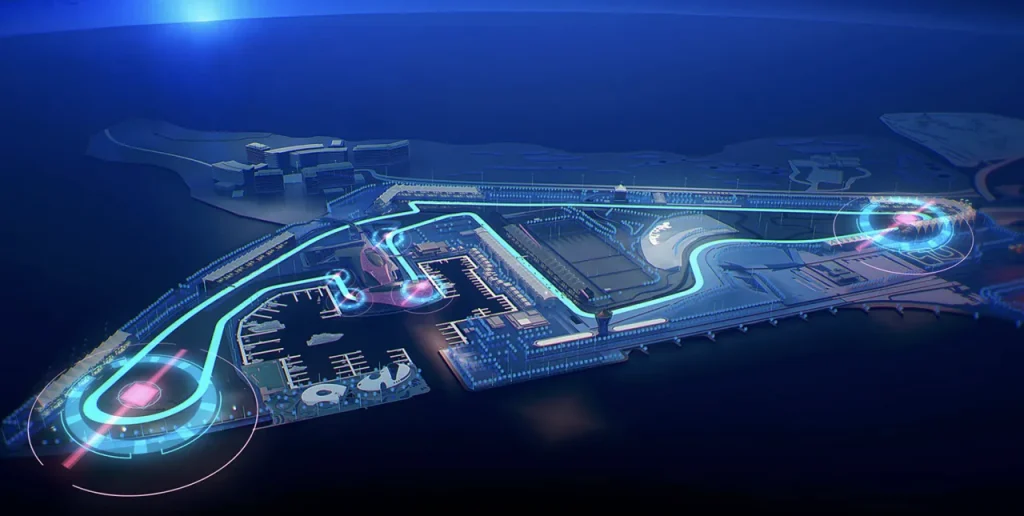
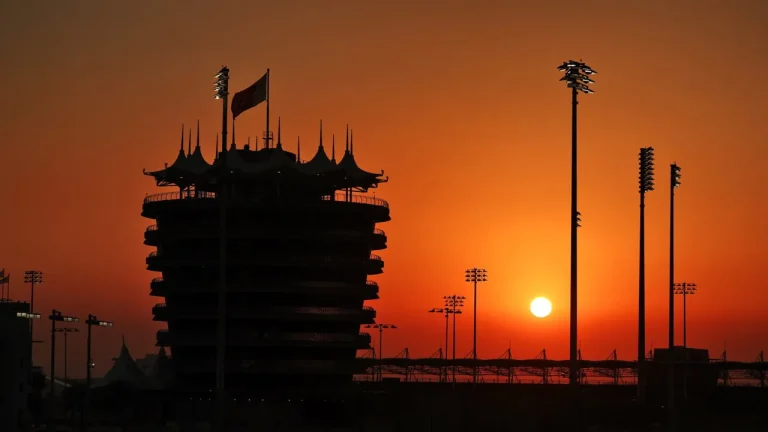
Under the existing schedule, both events maintain their positions on the 2026 calendar. The Qatar Grand Prix is set to take place at the Lusail circuit from November 27 to 29, followed by the season finale at Yas Marina for the Abu Dhabi Grand Prix between December 4 and 6. In October, FIA president Mohammed Ben Sulayem had assured that both races could take place under conditions known at the time. However, the FIA and Formula 1 continue their evaluations, as no international organization can provide certainty today that the situation will remain unchanged over several weeks. Amid those deliberations, F1 drivers expect safety discussions regarding Qatar as competitors and organizers monitor developments.
Standby Venue Options and European Winter Logistics
Among the potential standby venues under discussion is the Italian circuit of Imola, the former host of the Emilia-Romagna Grand Prix, where preliminary preparations have reportedly begun should organizers request a replacement venue. Nevertheless, no official declaration designates the track as a replacement for either Middle Eastern round. Relocating a grand prix to Europe during December would present severe operational challenges, including winter temperatures, weather hazards, ticket sales, commercial commitments, and the complex transit of hundreds of tonnes of freight across eleven teams.
Driver Caution and Contrasting Viewpoints
The measured stance of team leadership contrasts with earlier reservations expressed by Williams driver Carlos Sainz, who is also active in driver representation. Sainz previously considered it premature to take too definitive a position regarding the staging of the races, recalling that international conditions can change quickly and demand continuous vigilance. That position does not suggest a demand to cancel the events, but rather underlines a fundamental difference between a confirmed calendar and definitive safety assurances. While team principals project institutional trust and competitors emphasize ongoing uncertainties, race organizers continue maintaining backup options should circumstances require them.