In this article
Physical Demands of Grand Prix Racing
Specialised MotoGP rider workouts are essential in order to be able to deal with the huge physical demands of handling high-speed motorcycles. Competing on prototype machines reaching how fast MotoGP bikes reach top speeds in excess of 360 km/h (223 mph) requires exceptional conditioning. These specialised workouts allow riders to be able to deal with race durations that regularly exceed 120 km in distance in just over 40 minutes of action.
Riders must also be able to competently perform when continuously traveling around the globe across 22 Grands Prix per year.
Riders must also be able to competently perform when continuously traveling to racing venues with a demanding schedule from Friday morning practice to Sunday afternoon's race. To cope with continuous strain, athletes rely on comprehensive routines blending high-intensity cardiovascular conditioning, targeted strength exercises, mobility routines, and mental preparation. Rapid recovery capabilities ensure competitors sustain performance levels across grueling back-to-back race weekends with minimal physical downtime.
Core Athletic Attributes and Muscle Groups
MotoGP competitors target specific physical attributes rather than general muscle mass. Core strength provides essential balance and optimal body positioning aboard the machine. Upper body strength enables precise bike handling during heavy braking and rapid cornering transitions, while lower body power provides leg grip. High mobility reduces injury risk, sharp reflexes manage split-second hazards, and lean mass preserves a favorable power-to-weight ratio.
Cardiovascular and Aerobic Conditioning
Cardiovascular conditioning forms the foundation of rider endurance. High-intensity interval training, circuit workouts, skipping, rowing, and vigorous swimming sessions raise cardiovascular stamina and boost oxygen delivery. These demanding workouts accelerate recovery times between high-load efforts. They also assist competitors in regulating physiological stress, preserving mental sharpness, and retaining machine control when operating under acute physical strain during demanding race stages.
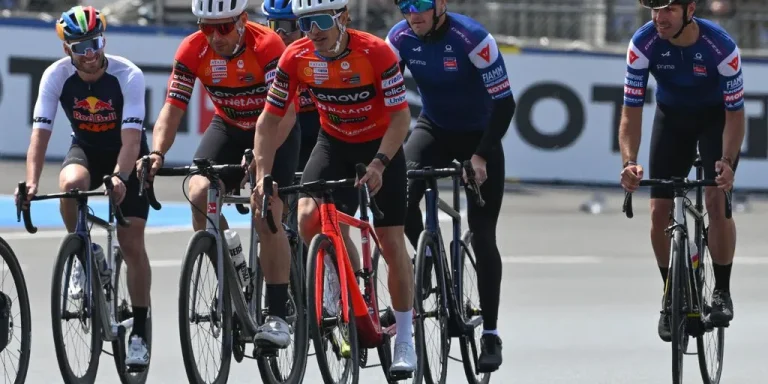
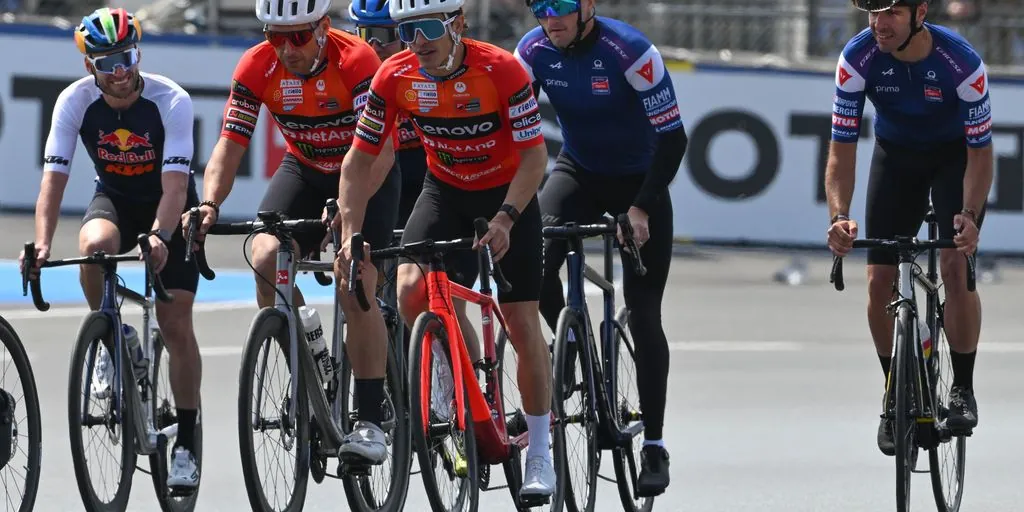
Whilst cycling, running, and swimming can include bursts of higher energy output, MotoGP riders also perform these activities at lower intensity over longer periods to work on cardiovascular fitness. These aerobic workouts build baseline endurance without overloading joints and muscles. On Thursdays before each Grand Prix, competitors traditionally walk the circuit alongside their crew chiefs and mechanics to inspect track surfaces while accumulating exercise.
Low-intensity sessions also promote active recovery between high-intensity workouts and help with weight management.
Functional Strength and Muscular Endurance
Strength programs prioritize functional capacity over heavy lifting. Riders avoid excessive muscular hypertrophy because unnecessary bulk harms agility, aerodynamic efficiency, and machine maneuverability. Conditioning concentrates on developing robust grip, neck, shoulder, arm, core, and leg strength. Strength training can help prevent injuries like muscle strains or tears and can improve overall balance and stability, which can help to reduce the risk of crashes on the track.
Typical strength training exercises for riders may include specific movements tailored to their racing demands. Upper body conditioning employs pull-ups, push-ups, dumbbell rows, and resistance bands to reinforce shoulder stability and grip endurance. Core stability is developed through planks, mountain climbers, leg raises, balance boards, and cable rotations. Lower body power relies on squats, lunges, step-ups, deadlifts, and calf raises to maintain firm foot-peg pressure.
Related posts
Reflex Drills and Cognitive Conditioning
High speeds demand instantaneous reaction times and fine motor control. Riders utilize interactive light boards to sharpen visual response speeds and peripheral awareness. Hand-eye coordination drills like juggling and reaction ball catches increase a rider's ability to react with lightning quickness, make ultra-fast in-race decisions on braking and overtaking, and maintain precision under rival pressure. Cognitive training further incorporates visual object tracking, dual-task drills, and specialized digital reaction games to refine high-pressure decision-making.
Some competitors train on racing simulators and official video games to maintain circuit familiarity and reaction speed. Off-track preparation also includes working alongside sports psychologists to handle race pressure, injuries, and shifting weather. Psychological preparation employs visualization to mentally rehearse cornering lines and overtakes, breath-control strategies to manage stress, distraction-blocking drills to maintain concentration, and positive self-talk affirmations to build confidence.
Cross-Training on Dirt and Other Motorcycles
Testing regulations strictly limit track time aboard official MotoGP prototypes to official tests and Grand Prix sessions, unless permitted by the MotoGP Concessions System. Outside those parameters, competitors routinely train on motocross bikes, flat track machines, Supermoto bikes, and production road motorcycles. Riding a motocross bike requires riders to constantly make quick, precise adjustments to body position and throttle control to maintain balance, which can really help with on-track performances.
However, motocross can be a risky sport, with riders including Valentino Rossi, Andrea Dovizioso, Danilo Petrucci, Marc Marquez, Pedro Acosta, and Fabio Quartararo having suffered injuries during MX training. Flat track training offers an alternative discipline. Near Tavullia, Rossi established the VR46 MotoRanch, where VR46 Academy graduates like Francesco Bagnaia, Franco Morbidelli, Luca Marini, and Marco Bezzecchi drill sliding control and motorcycle precision on dirt.
Track Time Conditioning and Seasonal Demands
Active riding provides vital race-specific conditioning. Given that riders may spend 3.5 to 4 hours on track per Grand Prix weekend, that totals 75 to 85 hours of track time per season, excluding tests. Official tests increase these hours, whilst pre-season testing can often be gruelling in hot conditions, helping prepare riders physically, mentally, and technically.
During back-to-back Grands Prix over consecutive weekends, riders have less recovery time and may merely top up their fitness while off track.
Recovery Protocols and Injury Prevention
Recovery routines prevent overtraining, rehabilitate injuries, and ease travel fatigue. Athletes utilize sports massage, targeted physiotherapy, assisted stretching, and isometric holds alongside yoga and Pilates routines to maintain flexibility. Active recovery includes walking, gentle swimming, cycling, or low-impact racket sports like padel and table tennis. Competitors also rely on meditation, adequate sleep, and scheduled rest days to restore their bodies between events.
Diet, Fuelling, and In-Race Hydration
Rider nutrition relies on tailored meal plans. Complex carbohydrates including pasta, rice, oats, bread, lentils, beans, vegetables, and fruit deliver sustained energy. Lean proteins like chicken breast, fish, lean beef, eggs, tofu, yoghurt, nuts, and seeds support muscular repair. Riders consume at least three liters of fluid daily alongside vitamin supplements and energy snacks, while leather aerodynamic back humps house water reservoirs connected to helmets for in-race hydration.
Rider Specialization and Training Routines
Training programs reflect individual rider physiology, past injuries, and preferences. Some observers believe former competitors Cal Crutchlow and Aleix Espargaro could even have competed professionally in cycling, with Crutchlow often training alongside Mark Cavendish while Espargaro trains with friends from the pro peloton. Brothers Marc and Alex Marquez train together through running, gym sessions, and motocross, with Marc Marquez utilizing the Red Bull Performance Centre.
Meanwhile, Yamaha's Fabio Quartararo emphasizes intensive skipping rope sessions, long-distance running, and gym workouts to build stamina.
Related reading: How MotoGP Riders Train: Fitness, Nutrition and Workouts.