In this article
Krack Astonished by Alonso's Austin Display
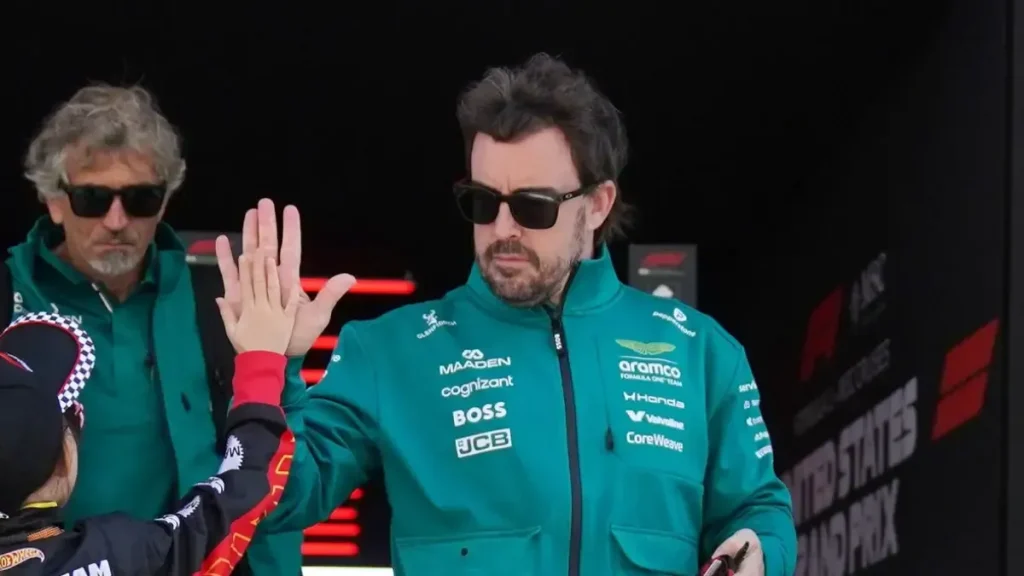
Speaking ahead of the 2026 Mexico City Grand Prix in the Aston Martin hospitality area alongside Honda trackside lead Shintaro Orihara, Aston Martin trackside head Mike Krack expressed rare astonishment at Fernando Alonso's competitive showing at the United States Grand Prix in Austin. Krack, known for his data-focused perspective and general reluctance to praise unexpected results, highlighted the Spanish driver's speed after early-race contact left his car heavily compromised.
Severe Downforce Loss from First-Lap Contact
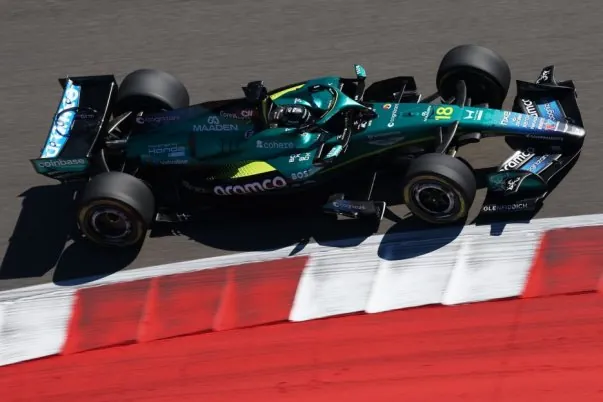
Alonso's car sustained substantial floor and left-side damage following an opening-lap incident with Alex Albon at the Circuit of the Americas, alongside front wing damage that eventually shed components and triggered an unscheduled pit stop for a nose change. Despite shedding significant aerodynamic downforce points, Alonso maintained a long-run pace that eclipsed upper-midfield competitors such as Alpine and Racing Bulls.
Cockpit Sensations Overcoming Car Limitations
While declining to reveal the precise downforce points lost according to team data, Krack noted that Alonso possesses an exceptional ability to compensate for the limitations of a damaged car. The Aston Martin trackside leader suggested this may perhaps happen because drivers cannot see exactly what part of the car is damaged from inside the cockpit, but simply feel how the vehicle behaves, enabling certain drivers to extract extraordinary performance from machinery operating in conditions that theoretically should prevent such running.
Related posts
Encouraging Baseline Signs from Austin Data
Aston Martin's post-race analysis revealed that performance dropped in distinct stages, initially with the loss of the left underfloor section and subsequently around the nose replacement. Although Alonso finished outside the championship points, Krack assessed the underlying pace as encouraging, noting that the team functioned smoothly throughout the Austin weekend even if Sunday's race pace surpassed internal expectations compared to previous outings in Singapore.
Technical Integration and Mexico City Expectations
Turning toward the Mexico City Grand Prix, Krack evaluated the technical demands of the circuit's 90-degree corners, drawing comparisons to Singapore while warning that modern car integration complicates performance attribution. Krack explained that low-speed rotation and corner-exit drive hinge on interconnected chassis and power unit dynamics rather than isolated mechanical parts, with altitude and energy management introducing further variables into race weekend forecasts.
Energy Deployment Shapes Straight-Line Comparisons
Addressing the strong straight-line speed shown in Austin, Krack outlined that energy deployment and energy management are closely linked to aerodynamic wing levels and downforce choices. He explained that teams choose how to deploy energy based on strategic reasons, opting for different profiles when defending track position compared to attacking rivals, or managing the situation when leading with the faster car, which complicates direct across-the-grid speed comparisons.